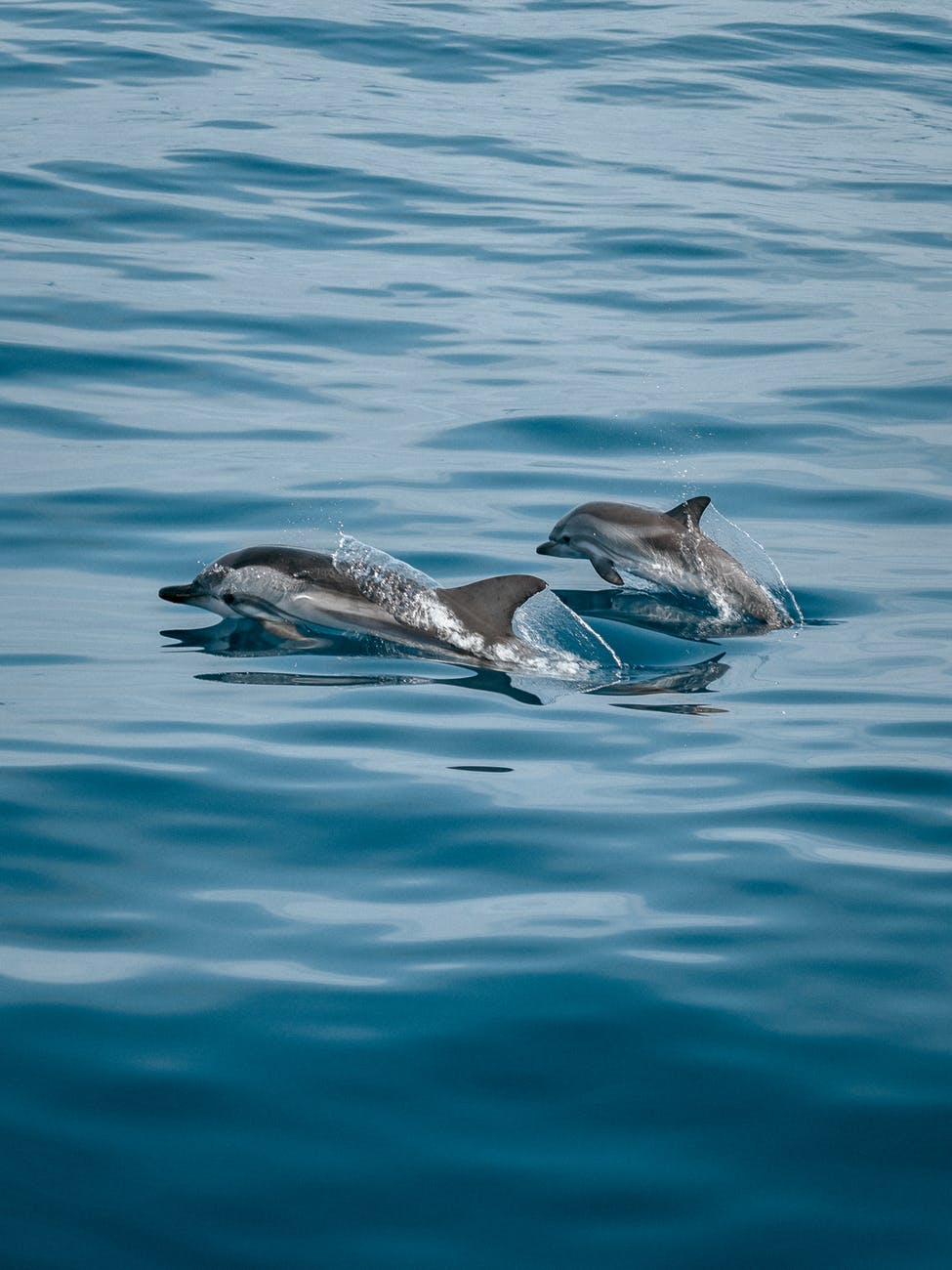
The Island of the Blue Dolphins” had a very specific aesthetic to it that I was trying to pinpoint throughout the book as I read it for the first time. It was permeated with a lonely beauty and quiet purpose that had a nagging familiarity to it. About halfway through, I realized it: this book reminds me of Minecraft.
The story follows that of a native woman named Karana on her home island. She lives to see most of her people slaughtered by white hunters who use the island for their own gain and try to cheat the people living there. After this, the remainder of her people are taken away by another group of white men who are seen as deliverers, but when her younger brother is left ashore Karana jumps overboard to stay with him. After her brother is killed by wild dogs however, the remainder of the book details her survival over the next eighteen years as she slowly learns to forgive the dogs and befriends much of the wildlife she shares the island with.
The book is written in lyrical prose that conveys both the beauty of the island and the loneliness the narrator experiences. I believe this is what called my mind to the popular block building game in which your avatar wanders, largely alone, through a vast and often deserted expanse of land completing various survival related tasks while soft piano music manages to elicit the same feeling of abandonment and appreciation of nature that the Karana’s inner thoughts invoke in the reader. The lack of dialogue forces the reader to become entangled in these thoughts, slipping into Karana’s head and seeing the world through her eyes. I think it is this quality, and the uniqueness of her voice and perspective, that makes the book such an interesting read.
I think this would be an excellent text to teach in ninth or tenth grade, even though the lexile level is 1000, making it an accessible text to students in grades as low as six or seven. The themes of this book could be easily expounded upon to provoke deep thought on subjects such as colonialism, ecology and preservation, identity and humanity. I would love to see a unit crafted to compare texts such as this, where a single human being is stranded on an island and manages to preserve human dignity in the face of adversity, and a text like “The Lord of the Flies,” where a group of individuals in the same circumstances tend towards the loss of humanity. It could lead to some very interesting projects and essays regarding the role of society and how it can either advance or erase the ideals of humanity.
DISCLAIMER: Warning…sadness rating 20/10. VERY sad.
 Diary Of An Emotional Houseplant